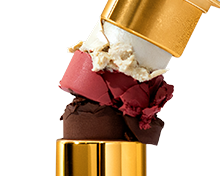
What Is Skincare Makeup?
It's pretty much what the name says. Color cosmetics made with active, skin-nourishing ingredients that support your complexion the whole time you're wearing them. Picture foundations and BB creams with hyaluronic acid, tinted lip oils full of botanicals, blushes built on certified organic plant oils. The finish reads like makeup. The formula behaves like skincare.
The category came out of one simple question: why should your makeup undo everything your skincare just did? More and more formulators started asking it, and the answer was a wave of products built around skin health instead of coverage or color alone.
Clean beauty sped things up. As shoppers got pickier about what they put on their skin, they wanted formulas without synthetic fillers, harsh preservatives, and the additives that raise questions. Skincare makeup met that demand by pairing performance with transparency. You get products that are NSF-certified, cruelty-free, and made from botanicals, and you don't give up the results you'd expect from your color cosmetics.
If you've ever wished your foundation could do more than sit on top of your skin, this one's for you.
How It Differs From Traditional Makeup
Conventional makeup works on the surface. It covers, colors, and sets. Most traditional formulas lean on synthetic fillers, artificial fragrances, and occlusive ingredients that just sit there without giving the skin much back. If your skin is sensitive, dry, or acne-prone, that can show up as irritation, clogged pores, or dull skin down the line.
Skincare makeup goes about it differently. The formulas are built around ingredients that nourish while they perform, things like certified organic botanicals, hydrating oils, and antioxidants that actually work with your skin instead of coating it. A few things separate the two.
The ingredient quality is the first. Skincare makeup reaches for clean, naturally derived ingredients like Organic Jojoba Oil rather than the synthetic fillers and potential irritants you'll find in a lot of conventional products. There's also what it does to your skin over a full day of wear. Traditional makeup can strip moisture, disrupt the skin barrier, add to congestion, or roughen skin texture, while skincare makeup is made to hydrate, soothe, and support skin health as you wear it. And the benefits don't stop when you take it off. Conventional makeup quits the moment you remove it. Skincare makeup keeps conditioning and protecting, and those small gains stack up with regular use, so your skin looks better over time, not only in the moment.
For clean beauty shoppers, that last part is the whole point.
Key Ingredients to Look For
Not every product labeled "skincare makeup" earns it. The ingredients list is where you find out whether a formula is really doing something for your skin or just borrowing wellness language for the marketing. Here's what's worth reaching for, and what's worth skipping.
Hyaluronic acid pulls moisture into the skin and helps deliver long-lasting hydration, making it a standout in foundations, tinted moisturizers, and primers if you're fighting dryness or a tight, dull complexion. Botanicals like Organic Jojoba Oil, rosehip, and plant-derived squalane mimic your skin's natural lipids, so they nourish and protect without clogging pores, and they're a good match for sensitive or acne-prone skin. Antioxidants such as Vitamin E (listed as Tocopherol) and Vitamin C help neutralize free radicals, guard against environmental stressors like UV rays and sun damage, and, with time, support a brighter, more even-looking complexion, softening the look of dark spots and dark circles.
Now for what to leave behind. Synthetic fragrances, parabens, talc, and chemical sunscreen filters show up all the time in conventional formulas, and they can trigger irritation, throw off your skin's balance, or wave a clean-beauty red flag. One more thing: clean sourcing counts as much as the ingredient itself. NSF-certified organic formulas, like the ones Ogee makes, mean the botanicals were grown and processed without synthetic pesticides or harmful additives, so what's printed on the label is genuinely working for your skin instead of against it.
Real Benefits (and Honest Limitations)
When a formula is built with the right ingredients, skincare makeup can deliver nourishing benefits that go beyond coverage. Certified organic oils, antioxidants like Vitamin E, and hydrating botanicals don't just sit on the surface. They keep working while you wear them, and the benefits are backed by the ingredients themselves.
Take hydration. Emollient-rich ingredients like Organic Jojoba Oil mimic your skin's natural sebum, softening and moisturizing without clogging pores, which helps a lot if you have dry, sensitive, or mature skin. Then there's antioxidant protection. Vitamin E neutralizes the free radicals that break down collagen and speed up premature aging, so you're getting a layer of environmental defense while your makeup's on. Barrier support is part of it too. Nourishing botanical formulas reinforce your skin's moisture barrier over time, helping calm irritation and build resilience. And it tends to feel better on. Skin-supportive formulas usually feel lighter and breathe more easily than conventional makeup, so they suit sensitive or acne-prone skin.
One honest caveat. Skincare makeup adds to your routine; it doesn't replace it. A tinted moisturizer won't do what a dedicated serum or treatment does. Treat it as a smart piece of a clean routine, not a way to skip one.
Who Should Make the Switch?
Almost anyone, honestly. But skincare makeup really shines for skin that wants a little extra help, not just coverage.
Dry or dehydrated skin benefits most from formulas designed to hydrate, using nourishing oils and humectants. Instead of a foundation clinging to dry patches, you're wearing ingredients that put moisture back as the day goes on. Sensitive skin can stop bracing for hidden irritants, because NSF-certified organic formulas leave out the synthetic fragrances, harsh preservatives, and fillers that so often set off reactions, and daily wear starts to feel comfortable. Mature skin does well with the lightweight, skin-forward textures here. Heavy coverage likes to settle into fine lines, but skincare makeup, especially formulas with collagen-supporting ingredients, lets skin look like it has a gorgeous glow rather than masked. Acne-prone skin can win here too, as long as you stick to non-comedogenic, clean formulas that won't clog pores or slip breakout-triggering ingredients into your routine.
If you've been on the fence, here's the thing. Skincare makeup isn't asking you to trade away coverage or finish. It's offering more: products that work with your skin instead of sitting on top of it. For most people, that's a low-risk, high-reward trade worth making.
How to Start Your Skincare Makeup Routine
No need to blow up your whole routine overnight. The easiest way in is one product at a time. Swap whatever you reach for first in your makeup bag each morning for a clean, skin-supporting version and watch how your skin reacts.
Ogee's core formulas make that first swap easy. Every one is NSF-certified, built on Organic Jojoba Oil, and made to work together as a full routine, so adding one product tends to lead you to the next. Start with the Jojoba Glow Face Oil, a nourishing base that preps skin before color for a dewy finish and pulls double duty as a treatment step. Add a tinted Sculpted Lip Oil for a wash of certified organic color that conditions while you wear it. From there, a multi-use stick handles cheeks, eyes, or contour with no brushes and no fuss, just a streamlined routine that keeps up with your day.
Once the first swap feels easy, the next one will too. That's the whole idea behind Ogee's lineup. Every product's made to fit with the others, so building out a full skincare makeup routine feels less like a project and more like a natural next step from what you're already doing.
You don't have to overhaul everything to notice a difference. One small swap gets you started: a tinted moisturizer in place of your usual foundation, or a conditioning lip color instead of a drying one. Skincare makeup is at its best when the ingredients pull double duty, nourishing as they color and protecting as they finish. That's the bar your products should be held to.
Ready to try it? Shop products enriched with certified organic, skin-loving ingredients and find your new everyday essential.
Skincare Makeup FAQs
What is skincare makeup?
Skincare makeup is makeup formulated with skin-supporting ingredients typically found in skincare products, such as botanical oils, antioxidants, minerals, or hydrating agents, chosen for their nourishing benefits.
Is skincare makeup better for your skin?
Skincare makeup can be better for your skin if it's made with high-quality, non-comedogenic, and nourishing ingredients that support skin texture.
Is skincare makeup worth switching to?
Skincare makeup may be worth switching to if you want a simplified routine that combines complexion benefits with skin-supporting ingredients. It can be especially helpful for dry, mature, or sensitive-looking skin that benefits from added hydration and nourishment, as well as better long-term skin health.
Can skincare makeup replace my skincare routine?
Skincare makeup can complement your skincare routine, but it usually should not replace core steps like cleansing, moisturizing, and daily SPF. While it may contain beneficial ingredients, makeup is typically applied later in your routine and may not deliver the same targeted results as dedicated serums, treatments, or moisturizers.
Who should use skincare makeup?
Skincare makeup is ideal for anyone who wants natural coverage with added skincare benefits. It's often a good fit for people seeking a radiant finish, multitasking products, or formulas made with nourishing ingredients. Those with sensitive or acne-prone skin should check labels carefully and choose products suited to their skin type.